


 Česky (CZK)
 Magyar (HUF)
 Română (LEU)
 Polski (PLN)
 Deutsch (EUR)
 Italiano (EUR)
 Slovenščina (EUR)
 Slovensky (EUR)
 lietuvių kalba (EUR)
 Eesti keel (EUR)
The history of cannabis
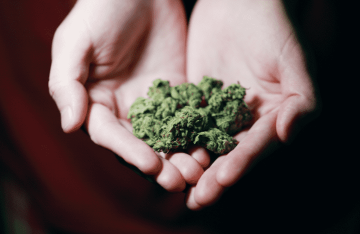
History of Marijuana
Marijuana, also known as hemp or weed has a long history of human consumption. Most ancient cultures did not grow this plant for the purpose of "getting fat", but as a medicinal plant. History of Cannabis Cultivation in Americait dates back to the first colonists who grew hemp for textiles and ropes. Hemp originally spread in Asia before people began transporting the plant to Africa, Europe and eventually the Americas. From hempthe fibers were used to make clothes, paper, sails and ropes. Its seeds were used as food.
Because it is a fast-growing plant that is easy to grow and has many uses, it was hemp widely cultivated throughout colonial America and southwestern Spain. In the early 16th century, colonies in Virginia, Massachusetts, and Connecticut required farmers to grow hemp. These morning dewhemp seeds contained very low amounts tetrahydrocannabinol (THC) - the chemical responsible for marijuana's mind-altering effects. There is also evidence that ancient cultures knew about psychoactive properties cannabis plants. It is possible that some varieties were bred to produce larger quantities THC for use in religious ceremonies or healing practices.
Marijuana and medicine
In the 1830s, Sir William Brooke O'Shaughnessy, an Irish physician studying in India discovered that extracts of hemp could help relieve stomach pain and vomiting in people suffering from cholera. At the end of the 19. In the 19th century, cannabis extracts were sold in pharmacies and doctors' offices throughout Europe and the United States to treat stomach problems and other ailments. Later, scientists discovered that the source was medicinalthc property of marijuana is THC. THC as the psychoactive compound responsible for marijuana's mind-altering effects. it also acts on areas of the brain that are able to relieve nausea and supportfeeling hungry.
Recreational marijuana
The ancient Greek historian Herodotus claimed that the Scythians, a large group of Iranian nomads in Central Asia, inhaled the smoke of smoldering cannabis seeds and flowers to make you feel "smooth". Hashish it was spread throughout the Near East and parts of Asia after 800 AD. Its popularity increased in connection with the spread of Islam in the region. The Koran forbade the use of alcohol and someother narcotic substances, but he did not outright prohibit cannabis. Hashish, hash or hashish is a product of marijuana, it is made from the inflorescence of female cannabis plants (resin). Contains a substance that is glutenavá (many other plants produce it). The production of hashish must be very precise, as its shortcomings will affect its final quality.
Cannabis in the Czech Republic
The first archaeological traces lead to the Moravian city - Mohelnice, whose age is estimated to be approximately 5,000 years old. This plant was used for spinning, which enabled the creation of new substances. Cannabis seeds was usually processed by cold pressing (in this process, the seed is cold-pressed directly without prior treatment. Under the name of cold pressing, even during this reaction, the seed is heated to 50-60 °C. In thermal pressing, the seed is heated up to 100 °C. Oil for food or for lighting was obtained through this processing. The remaining parts could be used as fodder or bedding for livestock. Auntie's rootso plants were used as coal for heating.
History and legislation
The legal system in this context went through many changes, it was influenced by how the plant was viewed. It was seen as an industrial plant, a psychoactive substance or a plant that had se used in medicine. Until 1950, hemp in The Czech Republic only regulated cultivation as an industrial plant. At that time, cannabis was not perceived as a drug, so there was no penalty for its possession or use. The change occurred only after the end World War II, after this period the perception of this plant changed.
The effects of marijuana
The effects of marijuana can be both physical and psychological. Short-term effects may include euphoria or other mood changes, increased sensory perception and appetite. While many people experience a pleasant feeling after using cannabis "intoxication", others may experience anxiety, fear or panic. Negative effects may be more common if a person takes too much or the cannabis is unexpectedly strong. The amount of THC in marijuana - cchemical substance that is responsible for the drug's strength has increased dramatically in recent years. In the mid-1990s, the average THC content of this substance was around 4%. In 2014 it was approxthem 12%, with several varieties of marijuana containing up to 37% THC.
In our e-shop we offer products such as HHC or CBD. You can read the difference between them in our article here.