

 Česky (CZK)
 Magyar (HUF)
 Română (LEU)
 Polski (PLN)
 Deutsch (EUR)
 Italiano (EUR)
 Slovenščina (EUR)
 Slovensky (EUR)
 lietuvių kalba (EUR)
 Eesti keel (EUR)
What Is THCa? Understanding Its Effects, Benefits, and Uses
Introduction
Tetrahydrocannabinolic acid (THCa) is a naturally occurring cannabinoid found in raw and freshly harvested cannabis plants. It is the acidic precursor to tetrahydrocannabinol (THC), the compound most commonly associated with the psychoactive effects of cannabis. In its natural state, THCa does not produce the intoxicating "high" typically linked to cannabis consumption. However, when exposed to heat through smoking, vaping, or cooking, THCa undergoes a chemical process known as decarboxylation, converting it into THC.
Interest in THCa has grown significantly in recent years because researchers and consumers have become increasingly interested in cannabinoids beyond THC and CBD. Many people are exploring THCa for its potential wellness applications, while others use it as a source of THC after heating. Understanding what THCa is, how it works, and its potential effects can help individuals make informed decisions about cannabis-related products.
What Is THCa?
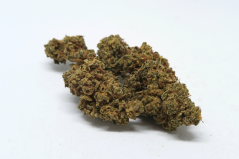
THCa is one of the primary cannabinoids produced by the cannabis plant. During the plant's growth cycle, cannabis naturally synthesizes THCa rather than THC. As long as the plant remains raw and unheated, most of its cannabinoid content exists in this acidic form.
The molecular structure of THCa differs slightly from THC due to the presence of an additional carboxyl group. This small chemical difference prevents THCa from binding effectively to cannabinoid receptors in the brain, which is why it does not produce significant psychoactive effects. Once heat removes this carboxyl group, THCa becomes THC and can interact more readily with the body's endocannabinoid system.
What Is THCa Used For?
THCa is commonly found in cannabis flower, concentrates, and extracts. Some consumers use raw cannabis products containing THCa, while others heat these products to convert THCa into THC.
Potential uses that have been explored include:
- Supporting general wellness and relaxation.
- Investigating possible anti-inflammatory properties.
- Researching neuroprotective effects.
- Exploring potential support for nausea management.
It is important to note that many of these potential applications are still being studied, and more clinical research is needed to determine their effectiveness and safety.
Effects of THCa
The effects of THCa depend largely on whether it remains in its raw form or is heated.
Raw THCa: when consumed without significant heating, THCa is generally considered non-intoxicating. Users typically do not experience the euphoric or mind-altering effects associated with THC.
Heated THCa: when THCa is smoked, vaped, or otherwise heated, it converts into THC. At this point, users may experience effects commonly associated with THC, including:
- Euphoria or mood enhancement.
- Relaxation.
- Altered sensory perception.
- Changes in focus or concentration.
- Increased appetite.
- Potential impairment of coordination and reaction time.
The intensity of these effects depends on dosage, product potency, individual tolerance, and method of consumption.
Potential Benefits of THCa
Anti-Inflammatory Properties
Some research indicates that THCa may possess anti-inflammatory characteristics, making it a subject of interest for conditions involving inflammation.
Neuroprotective Potential
Scientists are investigating whether THCa may help support neurological health and protect nerve cells from certain forms of damage.
Nausea and Appetite Support
Early findings suggest that THCa may have potential in managing nausea and supporting appetite regulation, though further research is necessary.
Non-Intoxicating Nature
One of THCa's distinguishing features is that it can be consumed in its raw form without producing the strong psychoactive effects associated with THC. This characteristic makes it appealing to individuals interested in cannabinoids without significant intoxication.
Should People Smoke THCa?
Smoking THCa is a personal choice that depends on an individual's goals, health considerations, and local laws. People who smoke THCa-containing cannabis are typically seeking the effects of THC because the heat from smoking converts THCa into THC almost immediately.
However, smoking is not risk-free. Inhaling smoke can irritate the lungs and respiratory system, and the resulting THC may impair judgment, coordination, and reaction time. Individuals should understand these potential risks before choosing to smoke cannabis products. Anyone considering cannabis use should also be aware of local regulations and consult a healthcare professional if they have medical concerns.
Conclusion
THCa is a naturally occurring cannabinoid found in raw cannabis that serves as the precursor to THC. Unlike THC, THCa itself is generally non-intoxicating, but it transforms into THC when heated. Growing scientific interest in THCa stems from its potential therapeutic properties and its unique role within the cannabis plant. Although early research is promising, more studies are needed to fully understand its benefits, risks, and long-term effects.
recommended products1